Radar-Based Detection for Zero-Visibility Environments
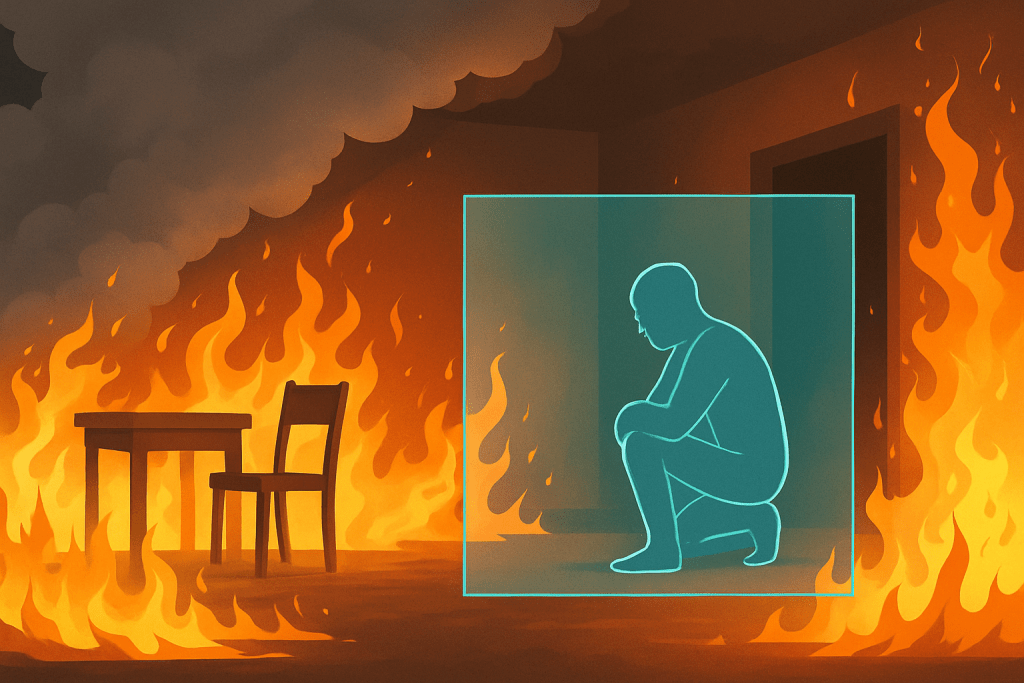
FireSight operates on a fundamentally different principle than thermal imaging cameras.
Instead of detecting heat signatures, FireSight uses millimeter-wave radar to send signals that pass directly through smoke, particulates, drywall, wood, and glass.
These signals reflect off objects and people in the environment, then return to the sensor for processing. The system identifies human presence by detecting micro-movements invisible to the naked eye, such as the rise and fall of breathing or subtle cardiac-induced body motion. This works regardless of ambient temperature, smoke density, or line-of-sight obstructions.
Why Radar Beats Thermal
Thermal Imaging Cameras (TICs)
- Require line of sight
- Degrade in heavy smoke and steam
- Saturate near active fire, masking victims behind heat sources
- Cannot see through walls, doors, or debris
- Require one hand to operate
FireSight SCOUT™ (mmWave Radar)
- Penetrates smoke, particulates, steam
- Penetrates drywall, wood framing, glass, and light debris
- Detects people through walls and closed doors
- Unaffected by ambient temperature or thermal interference
- Detects micro-movement (breathing, heartbeat) to confirm life
- Detects movement and approach — knows if someone is moving toward the entry point
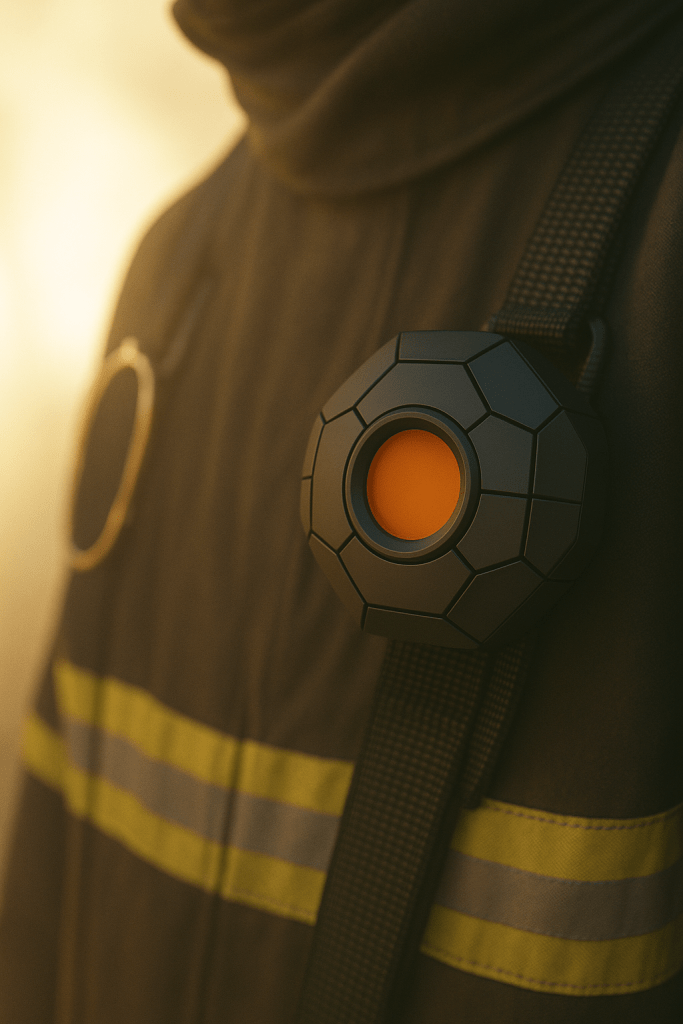
- Operates autonomously after deployment — no hands required
- Complements existing TIC equipment rather than replacing it
Multi-Sensor Fusion
FireSight combines mmWave radar with specialized thermal sensing in a single platform. The onboard processor correlates radar returns with filtered thermal data to provide higher-confidence detection than either sensor alone.
Radar provides structural mapping and presence detection. Thermal data adds temperature context. Fused together, the system distinguishes between a person lying on a heated floor and a piece of furniture with a similar thermal profile.
Engineered to Survive Fire
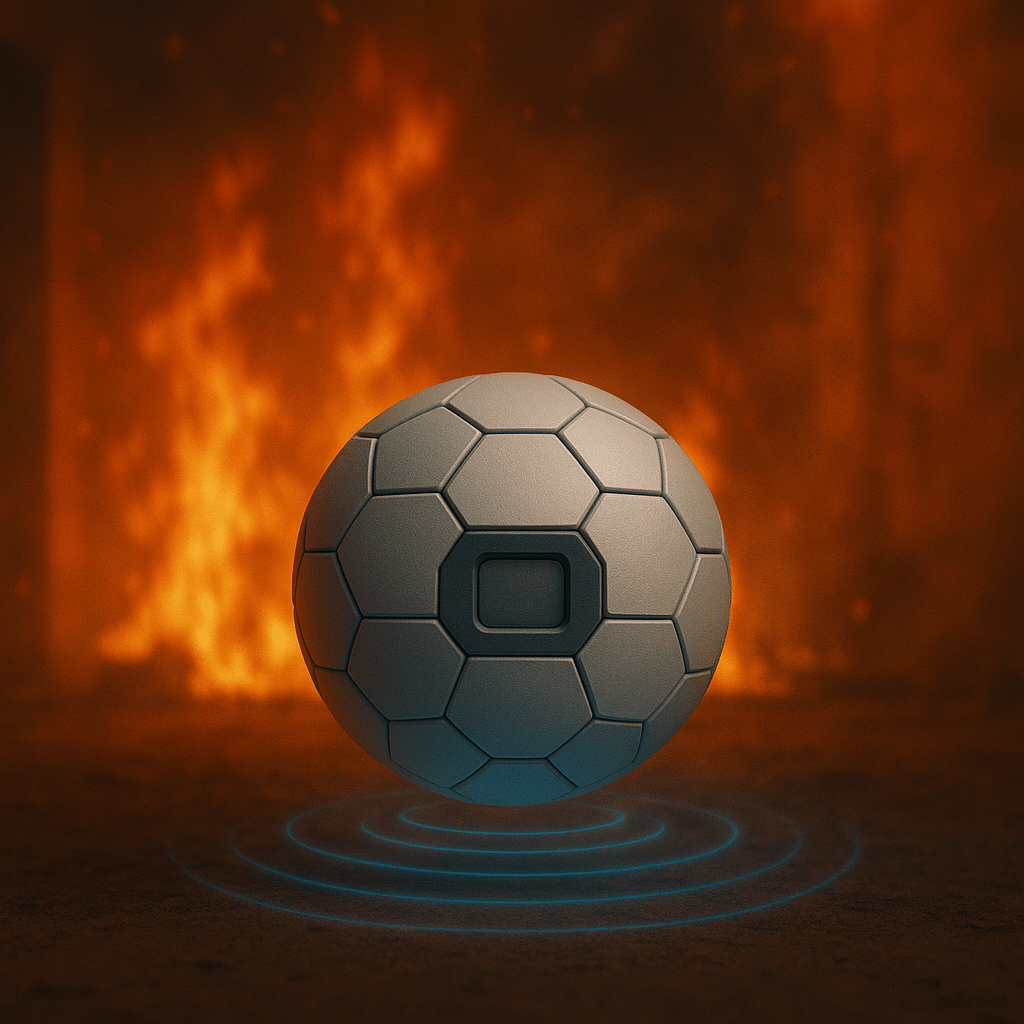
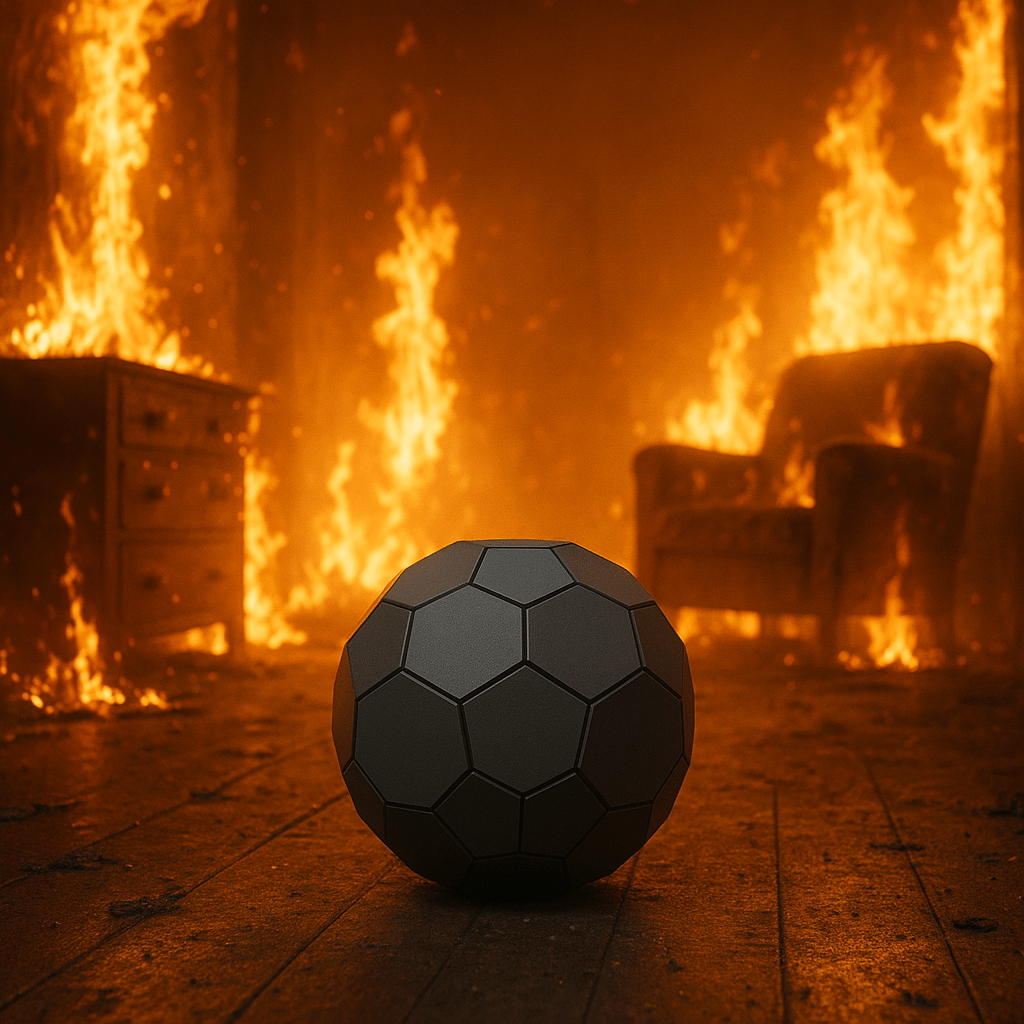
The FireSight enclosure is engineered specifically for extreme environments. The radome design was validated through a NASA SATOP engagement with LM&P Engineering, specifying CRES 304L stainless steel construction, alumina ceramic thermal shielding rated to 1,300°F continuous exposure, and fused quartz windows transparent to both radar and infrared wavelengths.
This is not a consumer electronics housing. It is designed to survive the same conditions firefighters operate in and withstand the impact forces of being thrown onto concrete, through windows, and across rooftops.
Software Integration
FireSight communicates via Wi-Fi Direct to the operator’s display device and includes a CivTAK driver for seamless integration with the geospatial collaboration platform already in use by many fire and law enforcement agencies. No proprietary software required. No vendor lock-in.
Deploy multiple SCOUT units across a scene and view all feeds on a single tactical display. Future firmware updates will enable mesh networking between deployed units for multi-room and multi-structure coverage.
Ready to See Through the Smoke?
Contact us to schedule a demonstration, discuss department procurement, or learn how FireSight can integrate into your operations.